Keeping and Breeding Cherry Shrimp – Neocaridina davidiAs an easy addition to your community tank that’s also simple to keep, cherry shrimp are increasingly popular. These little freshwater crustaceans grow to be about 1.5” in length. Like their saltwater cousins, they have a curved body, small legs, and spend most of their time seeking shelter in tank plant life and eating. In this article, we’ll talk about the basics of both keeping and breeding cherry shrimp. The Cherry Shrimp Diet Keep your shrimp healthy by giving them a great diet, consist...
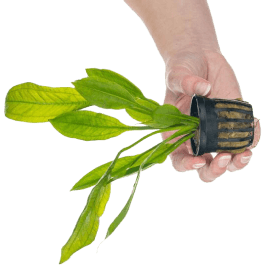
Meet the Rosy Barb: Your Aquarium's Beautiful Algae-Eating Superstar!This week at the Aquarium Co-Op retail store in Edmonds, we received some special new fish! We received the beautiful Rosy Barb, a Flagtail Prochilodus, Golden Dojo Loaches, and Amazon Puffers! This week I would like to highlight some awesome plants! We brought in Java Fern, Micro Sword, Bacopa Caroliniana, and Crypt. Wendtii Red. For this week's tank tip I wanted to share a video highlighting Cory's best tips for preventing algae in your aquarium!
What order should I put the aquarium filter media?There are many ways to layer the filter media in your filter, so these are our general suggestions. The first step is to look in the manual and find out which direction the water flows through the filter. As the water enters the filter media basket, we like to use a coarse sponge pad as mechanical filtration to block the largest chunks of debris and prevent them from entering the rest of the filter media. If you need to use the ammonia or phosphate media pads, you can place them here since th...
How to get rid of blue-green algae (BGA)Blue-green algae (BGA) is technically not a type of algae, but rather a cyanobacteria that grows like a slimy blanket coating the substrate, plants, and decor. It comes with a rather distinctive smell that many fish keepers learn to recognize before the bacterial colony is even visible. No one is 100% sure what causes BGA, but in general, improved aquarium upkeep and increased water circulation with an air stone or powerhead can help keep it away. Algae eaters typically will not eat the stuff...
How do I clean a CO2 diffuser if it becomes clogged?Diffusers must be cleaned or replaced at some point because of algae buildup. Because diffusers can be made of different materials, follow the manufacturer’s cleaning instructions to use diluted bleach, vinegar, or other methods. For the Aquario Neo CO2 Diffuser, we clean it with the following steps: Make a solution of 50% water and 50% bleach inside of a cup so that there's enough liquid to cover the diffuser's brown ceramic disk. While the CO2 is still running and connected to the ...
What are catappa leaves?Indian almond leaves (IAL) or catappa leaves come from Terminalia catappa, a tree that originates from Asia and Oceania but now grows in tropical and subtropical regions all over the world. Its fruit seeds taste similar to almonds, and its leaves are commonly used in herbal teas and traditional medicines. When you drop a dried catappa leaf into your aquarium water, the leaf begins to slowly decompose and produce tannins, which are plant-based compounds that gradually lower the pH and stain th...
How much salt is too much for aquarium plants?Aquarium plants generally do not well with salt (or sodium chloride), but a concentration of 1 tablespoon of aquarium salt per 5 gallons of water is generally considered to be safe. Also, in our personal testing, 1 teaspoon of marine salt per 20 gallons of RODI (reverse osmosis deionized water) water was beneficial to aquarium plants because of the added minerals. For more information on how to treat sick fish with aquarium salt, see our full article.
Is dechlorinator harmful to fish?Generally speaking, no. However, there are some rare, one-off cases where it could be potentially dangerous. The reducing agents in dechlorinator use up oxygen when removing chlorine from the water, and this reaction could be hazardous in poorly oxygenated tanks. For instance, goldfish and discus aquariums can require huge 90% water changes. If you are using water with low oxygen content, adding lots of dechlorinator will further deplete the available oxygen, which can potentially suffocate y...
Should I use dirt as my substrate in a planted aquarium?There are many pros and cons to dirted tanks using the Walstad method, so it might be worth trying at least once in your fishkeeping hobby to see if you like it. Based on our experiences with using dirt as substrate, here are some thoughts: Advantages Great plant growth Very cheap Takes years to run out nutrients in the ground Good option if you won't ever change the design (e.g., no moving around plants) Disadvantages Not as easy or beginner-friendly as planted substrate Makes a hug...
How to acclimate new aquarium fishIf you are buying new fish or shrimp, they may be accustomed to water parameters that are very different from yours, and therefore you may want to slowly acclimate or get them used to your aquarium water. If the animals are small enough, you can acclimate them in a specimen container or bucket. Cut open the fish bag and pour the animals and some of the water from the bag into the catch cup so the fish are completely covered in water. Add aquarium water from their new home into the catch cup ...
What is velvet (or gold dust disease)?Freshwater velvet is caused by external parasites from the Oodinium genus. Under a bright light, it looks like gold, dust-like particles covering the fish's head, body, and fins. It often starts in the gills, so the fish is very sick by the time you see external symptoms on the skin. Flashing, or sudden rubbing against surfaces, is another common symptom. Unfortunately, this disease is quite difficult to treat, spreads rapidly, and does not respond to most broad-spectrum medications. Som...
Is CO2 gas dangerous for aquarium fish?It can be harmful for animals in large enough quantities if (1) CO2 causes the water pH to drop too quickly or (2) people try to be so efficient with the CO2 that they end up cutting off the oxygen that fish need to breathe. In the latter case, some hobbyists try to minimize surface agitation so that less gas exchange occurs and less CO2 escapes the water. However, less gas exchange also means less oxygen will enter the water, which can cause your fish to struggle and gasp for air. Our recomm...
What should I feed wood-eating catfish?Only certain genera of loricariid catfish are known to munch on wood: Panaque spp. such as Panaque maccus (clown pleco) and P. nigrolineatus (royal pleco) Hypostomus cochliodon group Because of the lack of wood-digesting microbes in their gut and fast digestion time of less than 4 hours, scientists believe that these catfish are not actually digesting the wood. Instead, they are digesting the microorganisms, microbal byproducts, algae, fungus, and other organic matter found on the rotting...
Does CO2 get rid of algae?It’s a common belief that CO2 automatically fixes algae problems, but this is not true. A healthy planted tank must have three components in balance — lighting, fertilizer, and carbon dioxide. CO2 is just one of the primary nutrients that plants need to grow. Many beginners use too much light and fertilizer, so adding CO2 can help balance the aquarium. However, if a tank has high lighting and CO2 injection but, for example, too little fertilizer, then algae will appear because of the imbalanc...
Do I need a check valve for my CO2 system?Check valves are used to prevent water from flowing out of the aquarium and pouring all over the regulator when it is turned off. The bubble counter on some regulators already come with a built-in check valve, but you can install a second one as backup if desired. We have personally used the regular plastic check valves with CO2 systems at our fish store, warehouse, and homes, and they have not broken down. That being said, CO2 does degrade plastic after a very long time, so we also offer a s...
How many fish can I put in a 55-gallon tank?One of the most common but hardest questions we get is “How many fish can you put in a 55-gallon aquarium? What about a 20-gallon tank? 10 gallons?” As you may guess, there is an infinite number of possible fish combinations for each tank size that we could recommend. To simplify things, read this article that discusses the three factors that will most impact your fish stocking levels, as well as our general guidelines for introducing the right number of fish to your aquarium.
 Keeping and Breeding Cherry Shrimp – Neocaridina davidi
As an easy addition to your community tank that’s also simple to keep, cherry shrimp are increasingly popular. These little freshwater crustaceans grow to be about 1.5” in length. Like their saltwater cousins, they have a curved body, small legs, and spend most of their time seeking shelter in tank plant life and eating. In this article, we’ll talk about the basics of both keeping and breeding cherry shrimp. The Cherry Shrimp Diet Keep your shrimp healthy by giving them a great diet, consist...
Keeping and Breeding Cherry Shrimp – Neocaridina davidi
As an easy addition to your community tank that’s also simple to keep, cherry shrimp are increasingly popular. These little freshwater crustaceans grow to be about 1.5” in length. Like their saltwater cousins, they have a curved body, small legs, and spend most of their time seeking shelter in tank plant life and eating. In this article, we’ll talk about the basics of both keeping and breeding cherry shrimp. The Cherry Shrimp Diet Keep your shrimp healthy by giving them a great diet, consist...
 Meet the Rosy Barb: Your Aquarium's Beautiful Algae-Eating Superstar!
This week at the Aquarium Co-Op retail store in Edmonds, we received some special new fish! We received the beautiful Rosy Barb, a Flagtail Prochilodus, Golden Dojo Loaches, and Amazon Puffers! This week I would like to highlight some awesome plants! We brought in Java Fern, Micro Sword, Bacopa Caroliniana, and Crypt. Wendtii Red. For this week's tank tip I wanted to share a video highlighting Cory's best tips for preventing algae in your aquarium!
Meet the Rosy Barb: Your Aquarium's Beautiful Algae-Eating Superstar!
This week at the Aquarium Co-Op retail store in Edmonds, we received some special new fish! We received the beautiful Rosy Barb, a Flagtail Prochilodus, Golden Dojo Loaches, and Amazon Puffers! This week I would like to highlight some awesome plants! We brought in Java Fern, Micro Sword, Bacopa Caroliniana, and Crypt. Wendtii Red. For this week's tank tip I wanted to share a video highlighting Cory's best tips for preventing algae in your aquarium!

