Top 10 Livebearer Fish to Try Breeding in Your Next AquariumBreeding fish is one of our favorite parts of the aquarium hobby because of the immense satisfaction you get from caring for your pets and seeing them produce the next generation of offspring. Most fish lay eggs, which have a much higher likelihood of getting eaten since the eggs have no natural defenses. In contrast, livebearers (or species that give birth to live young) have a reputation for being easier to breed because the newborns are capable of swimming away and hiding from would-be pre...
Caring for African Dwarf FrogsAfrican Dwarf Frogs are some of the most popular additions to tanks. These little frogs are fully aquatic, so you don’t have to worry about a half aquatic and half terrain aquarium. African Dwarf Frogs will actually die outside of the water. The frogs are bottom scavengers and are a fantastic choice for kids or controlling your fry population. If you have too many fry guppies in a tank, add some African Dwarf Frogs and they’ll eat guppy fry to ease the population. But, if you aren’t using the...
Which Planted Tank Fertilizer Is Right for You?Ever wonder how professionals and even advanced hobbyists make those gorgeous aquascapes bursting with plant life? It all comes down to having the three essentials that make aquatic plants happy: Good lighting Substrate as needed Nutrients, like fertilizers Many beginners will ignore that last piece of the puzzle because the world of fertilizers seems like a complicated hot mess. Everyone on the internet is pushing for dry fertilizers because they’re cost-effective and highly customizable, ...
Top 5 Aquarium Fish That Love Soft WaterMost beginners in the fishkeeping hobby are not aware that not all fish can live in their tap water. Some species are quite sensitive and will only thrive if the pH and GH (or general hardness) of the aquarium match their native habitats. Try measuring the pH and GH levels in your tap water using a multi-test strip. If you have a GH number that is 4 degrees (75 ppm) or lower, then your water contains fewer minerals (e.g., calcium and magnesium) than normal. Rather than fight your naturally so...
Which aquarium plants need root tabs?Cryptocoryne plants (or crypts), sword plants, bulb plants, carpeting plants, and plants that produce runners all tend to feed from the substrate and will greatly benefit from root tabs. Stem plants like bacopa and moneywort can absorb fertilizer from the water or ground, but they seem to prefer the former. Plants that don’t need substrate to grow – such as mosses, floating plants, anubias, and java fern – typically do not use root tabs as much. For more information, read our full article on ...
Which plants can I put in the Easy Planter?The Easy Planter is a fake rock decoration with a hole in the center that is perfect for placing a plant with its plastic basket inside it. This protects the plant from being uprooted by fish and allows you to move the plant around when desired. The Easy Planter works best with: Anubias Ferns Cryptocoryne plants Grass-like plants (like dwarf sagittaria and vallisneria) Bulb plants The following plants do not grow as well in the Easy Planter: Mosses Carpeting plants (with tiny leaves and ...
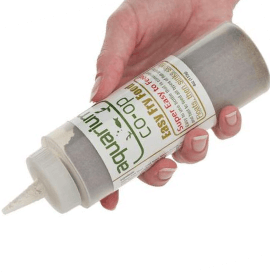
What are root tabs?Root tabs are dissolvable tablets or capsules that contain plant fertilizer. At Aquarium Co-Op, we recommend our Easy Root Tabs that are made with mineralized top soil and red clay containing essential plant nutrients, such as: Magnesium Nitrate Phosphate Potassium Manganese Zinc Molybdenum Iron For more information, read our full article on root tabs.
How to Treat Ich or White Spot Disease on Freshwater FishIch is one of the most common diseases that your aquarium fish can encounter. Many different approaches exist for combating this illness, but based on more than a decade of experience running 100 to 200 tanks in a fish store and importing wild-caught species, this is our go-to method for treating ich. What is Ich? Also known as ick or white spot disease, the Ichthyophthirius multifiliis protozoan is an external parasite that attaches to your fish’s fins, body, and gills by forming a tiny whit...
What is Mulm or Detritus in Aquariums?Is there a brown or black substance that seems to collect like dust bunnies all over the floor of your fish tank? This dirt-like material goes by many names – such as mulm, detritus, and debris – and it’s a naturally occurring part of healthy aquariums. Keep reading as we dissect what mulm is made of, whether you should remove it, and how to minimize its appearance. What Is Mulm? Mulm starts off as fish poop, plant leaves, leftover fish food, and other organic materials that are decomposing i...
5 Quick and Easy Steps for Treating Fin RotWhat do you do if your fish’s fins and tail are looking ragged or discolored? It may be a bacterial disease called fin rot. This illness is simple enough to treat but can lead to other serious complications if left unchecked, so follow our five easy steps for curing fin rot. How Do I Know If My Fish Has Fin Rot? Fin rot is commonly found in aquarium fish such as betta fish and goldfish. The symptoms can vary based on how long the fish has been affected: Stage 1: The fins and/or tail start s...
Check Out This New Oddball Fish at Aquarium Co-Op This Week! 🐺This week in our fish deliveries the retail store got in some awesome oddball large predatory fish like the Red Wolf Fish and Jardinii Arowana as well as some of our staple community favorites like Discus, Marble Hatchet Fish, Red Eye Monk Tetras, and Panda Corydoras. For plants this week, the Tiger Lotus, Mayaca Fluviatilis, and Dwarf Baby Tears, came in amazing from our suppliers, and we have plenty of our house-grown Red Root Floaters and Dwarf Water Lettuce for sale this week, too! ...
How do I plant my moss?Mosses are similar to rhizome plants in that they don’t require substrate and can be attached to hardscape via thread or glue. In fact, instead of being packaged in pots, they’re usually sold already affixed to a mesh rectangle, driftwood, or decor. Moss can also grow as a large, free-floating mass, which is great for colony breeding since baby fish can easily hide from the adults in the dense coverage. Java moss and Christmas moss are some of the most readily available varieties on the marke...
Is Easy Green fertilizer safe for fish, shrimp, and snails?Yes, Aquarium Co-Op's Easy Green liquid fertilizer is completely safe for all fish, shrimp, snails, and other invertebrates. Follow the directions and dose your aquarium with Easy Green up to 20–50 ppm (parts per million) nitrate to give your plants the essential nutrients they need to thrive.
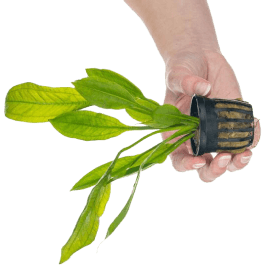
What are the little yellow balls or "eggs" on my aquarium plant's roots?Most live plants purchased online or from a local fish store come in a plastic pot stuffed with rock wool. Plant farms often place small, yellow fertilizer balls in the rock wool to help feed the plants' roots. Please remove the fertilizer balls before planting your plant so that they won’t cause a nutrient spike in your aquarium. For more information, read our Quick Guide: How to Plant Live Aquarium Plants.
What easy plants are best for beginners?We like to recommend slow-growing aquarium plants that require low light and little to no fertilizer. In fact, some plants like marimo moss balls, anubias, and java fern don't even need substrate. Read this article to learn about the top 10 easy aquarium plants for beginners.
Top 7 Warm Water Fish That Aren’t Afraid of a Little HeatDuring the hot summer months, it can be hard to keep your aquarium water cool enough for certain fish. Fortunately, there are some species that can survive in higher-than-normal temperatures. Just remember that warmer water cannot hold as much dissolved oxygen as cooler water, so reduce your risk of oxygen deprivation by adding an air stone, sponge filter, or other form of surface agitation. Also, look for aquatic plants that can tolerate higher temperatures, such as anubias, java fern, bacop...


 Top 10 Livebearer Fish to Try Breeding in Your Next Aquarium
Breeding fish is one of our favorite parts of the aquarium hobby because of the immense satisfaction you get from caring for your pets and seeing them produce the next generation of offspring. Most fish lay eggs, which have a much higher likelihood of getting eaten since the eggs have no natural defenses. In contrast, livebearers (or species that give birth to live young) have a reputation for being easier to breed because the newborns are capable of swimming away and hiding from would-be pre...
Top 10 Livebearer Fish to Try Breeding in Your Next Aquarium
Breeding fish is one of our favorite parts of the aquarium hobby because of the immense satisfaction you get from caring for your pets and seeing them produce the next generation of offspring. Most fish lay eggs, which have a much higher likelihood of getting eaten since the eggs have no natural defenses. In contrast, livebearers (or species that give birth to live young) have a reputation for being easier to breed because the newborns are capable of swimming away and hiding from would-be pre...
 Caring for African Dwarf Frogs
African Dwarf Frogs are some of the most popular additions to tanks. These little frogs are fully aquatic, so you don’t have to worry about a half aquatic and half terrain aquarium. African Dwarf Frogs will actually die outside of the water. The frogs are bottom scavengers and are a fantastic choice for kids or controlling your fry population. If you have too many fry guppies in a tank, add some African Dwarf Frogs and they’ll eat guppy fry to ease the population. But, if you aren’t using the...
Caring for African Dwarf Frogs
African Dwarf Frogs are some of the most popular additions to tanks. These little frogs are fully aquatic, so you don’t have to worry about a half aquatic and half terrain aquarium. African Dwarf Frogs will actually die outside of the water. The frogs are bottom scavengers and are a fantastic choice for kids or controlling your fry population. If you have too many fry guppies in a tank, add some African Dwarf Frogs and they’ll eat guppy fry to ease the population. But, if you aren’t using the...
 Which Planted Tank Fertilizer Is Right for You?
Ever wonder how professionals and even advanced hobbyists make those gorgeous aquascapes bursting with plant life? It all comes down to having the three essentials that make aquatic plants happy: Good lighting Substrate as needed Nutrients, like fertilizers Many beginners will ignore that last piece of the puzzle because the world of fertilizers seems like a complicated hot mess. Everyone on the internet is pushing for dry fertilizers because they’re cost-effective and highly customizable, ...
Which Planted Tank Fertilizer Is Right for You?
Ever wonder how professionals and even advanced hobbyists make those gorgeous aquascapes bursting with plant life? It all comes down to having the three essentials that make aquatic plants happy: Good lighting Substrate as needed Nutrients, like fertilizers Many beginners will ignore that last piece of the puzzle because the world of fertilizers seems like a complicated hot mess. Everyone on the internet is pushing for dry fertilizers because they’re cost-effective and highly customizable, ...
 Top 5 Aquarium Fish That Love Soft Water
Most beginners in the fishkeeping hobby are not aware that not all fish can live in their tap water. Some species are quite sensitive and will only thrive if the pH and GH (or general hardness) of the aquarium match their native habitats. Try measuring the pH and GH levels in your tap water using a multi-test strip. If you have a GH number that is 4 degrees (75 ppm) or lower, then your water contains fewer minerals (e.g., calcium and magnesium) than normal. Rather than fight your naturally so...
Top 5 Aquarium Fish That Love Soft Water
Most beginners in the fishkeeping hobby are not aware that not all fish can live in their tap water. Some species are quite sensitive and will only thrive if the pH and GH (or general hardness) of the aquarium match their native habitats. Try measuring the pH and GH levels in your tap water using a multi-test strip. If you have a GH number that is 4 degrees (75 ppm) or lower, then your water contains fewer minerals (e.g., calcium and magnesium) than normal. Rather than fight your naturally so...
 How to Treat Ich or White Spot Disease on Freshwater Fish
Ich is one of the most common diseases that your aquarium fish can encounter. Many different approaches exist for combating this illness, but based on more than a decade of experience running 100 to 200 tanks in a fish store and importing wild-caught species, this is our go-to method for treating ich. What is Ich? Also known as ick or white spot disease, the Ichthyophthirius multifiliis protozoan is an external parasite that attaches to your fish’s fins, body, and gills by forming a tiny whit...
How to Treat Ich or White Spot Disease on Freshwater Fish
Ich is one of the most common diseases that your aquarium fish can encounter. Many different approaches exist for combating this illness, but based on more than a decade of experience running 100 to 200 tanks in a fish store and importing wild-caught species, this is our go-to method for treating ich. What is Ich? Also known as ick or white spot disease, the Ichthyophthirius multifiliis protozoan is an external parasite that attaches to your fish’s fins, body, and gills by forming a tiny whit...
 What is Mulm or Detritus in Aquariums?
Is there a brown or black substance that seems to collect like dust bunnies all over the floor of your fish tank? This dirt-like material goes by many names – such as mulm, detritus, and debris – and it’s a naturally occurring part of healthy aquariums. Keep reading as we dissect what mulm is made of, whether you should remove it, and how to minimize its appearance. What Is Mulm? Mulm starts off as fish poop, plant leaves, leftover fish food, and other organic materials that are decomposing i...
What is Mulm or Detritus in Aquariums?
Is there a brown or black substance that seems to collect like dust bunnies all over the floor of your fish tank? This dirt-like material goes by many names – such as mulm, detritus, and debris – and it’s a naturally occurring part of healthy aquariums. Keep reading as we dissect what mulm is made of, whether you should remove it, and how to minimize its appearance. What Is Mulm? Mulm starts off as fish poop, plant leaves, leftover fish food, and other organic materials that are decomposing i...
 5 Quick and Easy Steps for Treating Fin Rot
What do you do if your fish’s fins and tail are looking ragged or discolored? It may be a bacterial disease called fin rot. This illness is simple enough to treat but can lead to other serious complications if left unchecked, so follow our five easy steps for curing fin rot. How Do I Know If My Fish Has Fin Rot? Fin rot is commonly found in aquarium fish such as betta fish and goldfish. The symptoms can vary based on how long the fish has been affected: Stage 1: The fins and/or tail start s...
5 Quick and Easy Steps for Treating Fin Rot
What do you do if your fish’s fins and tail are looking ragged or discolored? It may be a bacterial disease called fin rot. This illness is simple enough to treat but can lead to other serious complications if left unchecked, so follow our five easy steps for curing fin rot. How Do I Know If My Fish Has Fin Rot? Fin rot is commonly found in aquarium fish such as betta fish and goldfish. The symptoms can vary based on how long the fish has been affected: Stage 1: The fins and/or tail start s...
 Check Out This New Oddball Fish at Aquarium Co-Op This Week! 🐺
This week in our fish deliveries the retail store got in some awesome oddball large predatory fish like the Red Wolf Fish and Jardinii Arowana as well as some of our staple community favorites like Discus, Marble Hatchet Fish, Red Eye Monk Tetras, and Panda Corydoras. For plants this week, the Tiger Lotus, Mayaca Fluviatilis, and Dwarf Baby Tears, came in amazing from our suppliers, and we have plenty of our house-grown Red Root Floaters and Dwarf Water Lettuce for sale this week, too! ...
Check Out This New Oddball Fish at Aquarium Co-Op This Week! 🐺
This week in our fish deliveries the retail store got in some awesome oddball large predatory fish like the Red Wolf Fish and Jardinii Arowana as well as some of our staple community favorites like Discus, Marble Hatchet Fish, Red Eye Monk Tetras, and Panda Corydoras. For plants this week, the Tiger Lotus, Mayaca Fluviatilis, and Dwarf Baby Tears, came in amazing from our suppliers, and we have plenty of our house-grown Red Root Floaters and Dwarf Water Lettuce for sale this week, too! ...
 Top 7 Warm Water Fish That Aren’t Afraid of a Little Heat
During the hot summer months, it can be hard to keep your aquarium water cool enough for certain fish. Fortunately, there are some species that can survive in higher-than-normal temperatures. Just remember that warmer water cannot hold as much dissolved oxygen as cooler water, so reduce your risk of oxygen deprivation by adding an air stone, sponge filter, or other form of surface agitation. Also, look for aquatic plants that can tolerate higher temperatures, such as anubias, java fern, bacop...
Top 7 Warm Water Fish That Aren’t Afraid of a Little Heat
During the hot summer months, it can be hard to keep your aquarium water cool enough for certain fish. Fortunately, there are some species that can survive in higher-than-normal temperatures. Just remember that warmer water cannot hold as much dissolved oxygen as cooler water, so reduce your risk of oxygen deprivation by adding an air stone, sponge filter, or other form of surface agitation. Also, look for aquatic plants that can tolerate higher temperatures, such as anubias, java fern, bacop...


